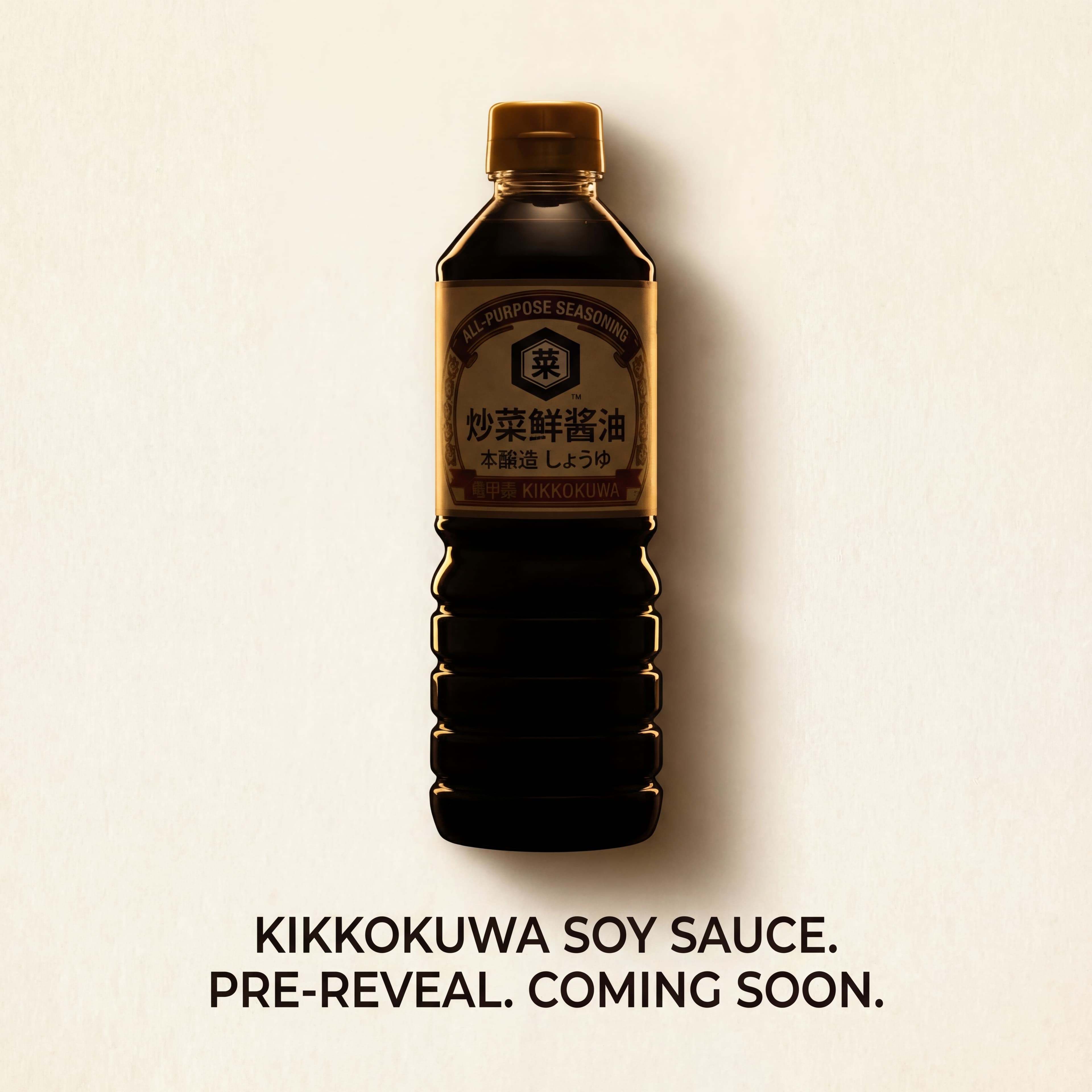
Our Story
From Jilin to Japan and back again.
The Beginning
On the outskirts of Jilin, in a small farming community surrounded by soybean fields, Li Guosheng (李国生) grew up watching his grandfather ferment soybeans in clay jars behind their family home.
Winters were long in Northeast China, and the family relied on preserved foods and homemade sauces. Among them, soy sauce was always the most important — a few drops could transform a simple bowl of noodles or steamed vegetables.
From a young age, Guosheng was fascinated by the slow transformation of soybeans into deep, fragrant sauce.
The Journey
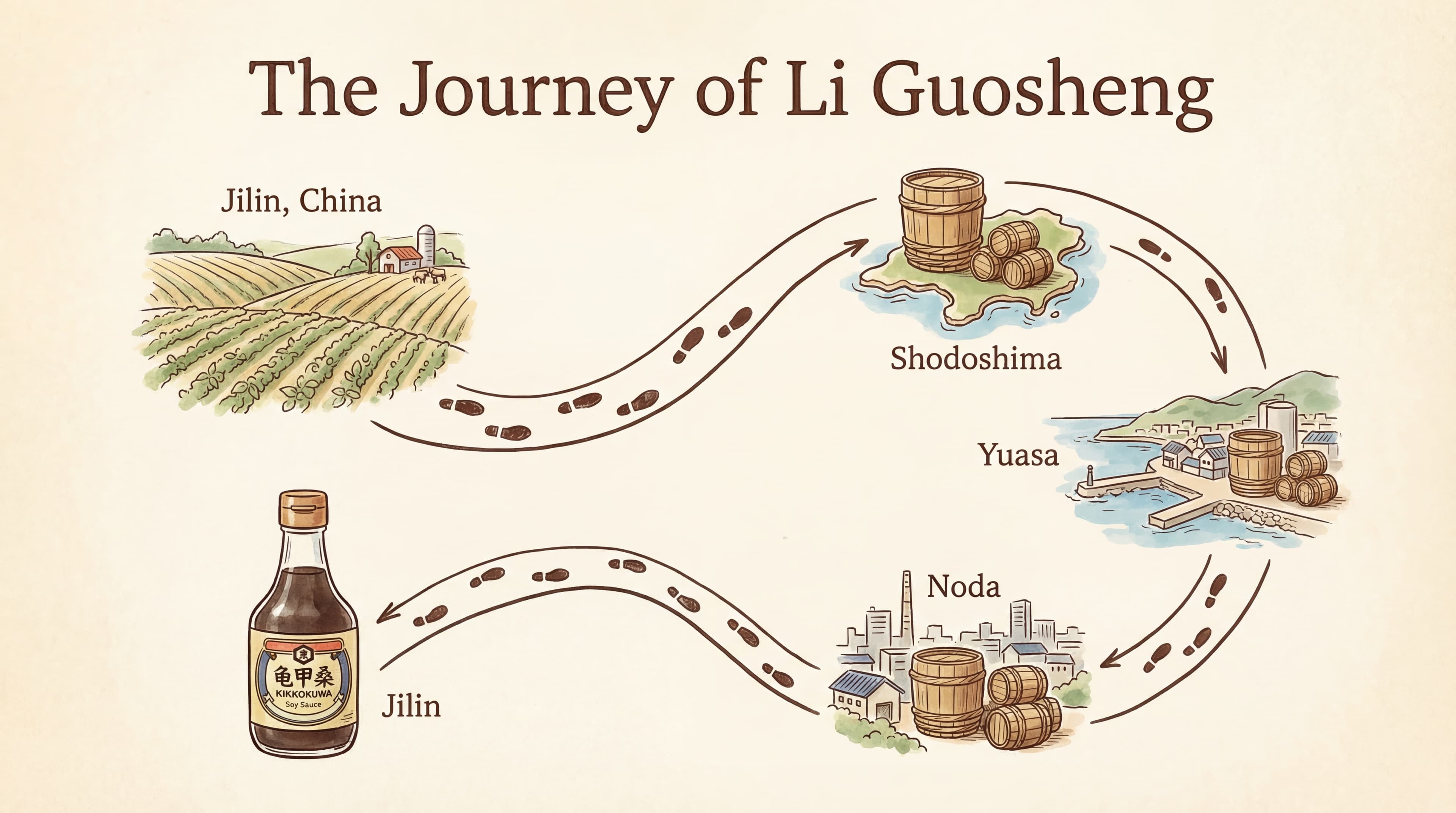
In his late twenties, Guosheng began researching traditional fermentation methods across Asia. His search led him to Japan’s historic soy sauce regions:
Shodoshima — the wooden barrel breweries where time moves at the pace of fermentation.
Yuasa — the historic birthplace of Japanese soy sauce, where the craft began centuries ago.
Noda — the industrial yet precise traditions that showed how scale and craft can coexist.
There, he observed how brewers treated fermentation not as a manufacturing process, but as a craft shaped by time, climate, and patience.
The Return
When Guosheng returned home near Jilin, he began experimenting with fermentation using locally grown Northeast Chinese soybeans — known for their rich oil content and strong flavour.
But he adopted lessons from Japan: longer fermentation cycles, controlled temperature aging, and a careful balance of soybeans, wheat, water, and salt.
Over years of experimentation, he developed a soy sauce that balanced the deep body of Chinese soybeans with the refined umami of Japanese brewing philosophy.
The Name
To represent this harmony, Guosheng named his sauce 龟甲桑.
龟甲 (kikkō) — the tortoise shell pattern. In Japanese culture, it symbolises longevity, resilience, and harmony with nature. For centuries, this pattern appeared in samurai armour, traditional textiles, and crafts — representing strength built from simple elements.
桑 (kuwa / san) — a gesture of respect and warmth, inspired by the Japanese honorific “san.” It reflects the spirit of hospitality in Asian cuisine: food that brings people together.
The name reflects the idea that great craftsmanship transcends borders.
What we stand for
Every bottle of 龟甲桑 is JAS Special Grade certified. Naturally brewed using the Honjozo method. Non-GMO soybeans. Zero artificial preservatives.
Taste the craft.